The History of Hanbok: From Goguryeo to Modern Day
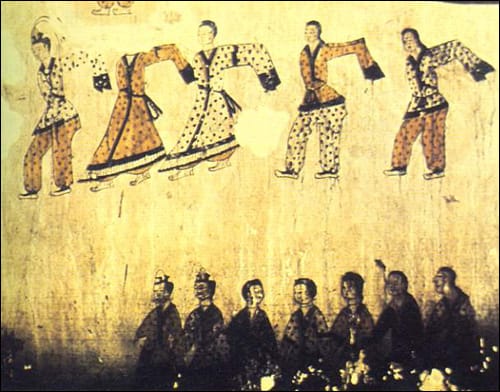
Korean Tradition
The History of Hanbok: From Goguryeo to Modern Day
Introduction
Hanbok, Korea's traditional clothing, has evolved over 2,000 years while maintaining its distinctive silhouette. Unlike Western fashion that changed dramatically with each era, hanbok transformed gradually, shaped by foreign influences, social systems, and cultural values. Understanding hanbok's history gives you a deeper appreciation of this iconic garment.
Ancient Origins: The Three Kingdoms Period (57 BC – 668 AD)
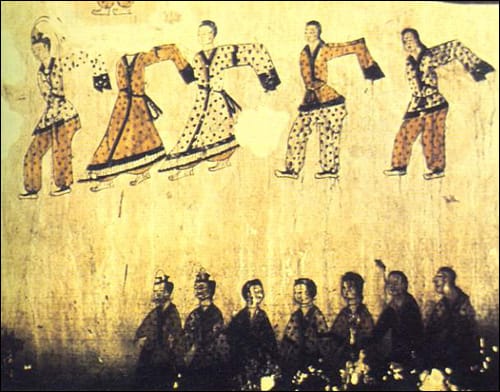
The earliest evidence of hanbok comes from Goguryeo tomb murals dating back to the 4th century. These paintings show people wearing a two-piece outfit: a jacket (jeogori) and either pants (baji) for men or a skirt (chima) for women.
Why This Two-Piece Structure?
Goguryeo was a kingdom of horse-riding warriors in the northern part of the Korean peninsula. Their clothing needed to allow freedom of movement for riding and fighting. This practical need created the basic jeogori + baji/chima structure that remains the foundation of hanbok today.
Key Features of Three Kingdoms Hanbok:
- Jeogori (jacket): Reached down to the waist or hips
- Baji (pants): Loose-fitting for mobility
- Chima (skirt): Wrapped around the waist
- Belt: Used to secure the outfit
This structure was remarkably different from Chinese robes of the same period, establishing hanbok as a distinctly Korean style from the very beginning.
Goryeo Dynasty (918–1392): Mongolian Influence
The Goryeo period brought significant changes due to nearly 100 years of Mongol influence. During this time:
Changes in Women's Hanbok:
- Jeogori became shorter: The jacket gradually shortened, moving upward from the waist
- Sleeves widened: Creating the characteristic curved sleeve shape
- Chima rose higher: The skirt began to be worn higher on the body
Men's Fashion:
Men adopted some Mongolian styles, including different hat styles and outer garments. However, the basic hanbok structure remained Korean.
The Binyeo (Hair Pin):
During Goryeo, elaborate hairstyles secured with decorative pins (binyeo) became fashionable among noble women. This tradition would continue for centuries.
Joseon Dynasty (1392–1897): The Golden Age of Hanbok
The Joseon period is when hanbok took the form most recognizable today. Confucian ideology profoundly influenced clothing, making it a marker of social status, age, and occasion.
Dramatic Changes in Women's Hanbok:
Throughout the 500-year Joseon period, women's jeogori became progressively shorter:
| Period | Jeogori Length |
|---|---|
| Early Joseon (15th c.) | Reached the waist |
| Mid Joseon (17th c.) | Above the waist |
| Late Joseon (19th c.) | Barely covered the chest |
By the late Joseon period, the jeogori was so short that a separate chest covering (heoritti) was worn underneath.
The Skirt (Chima) Evolution:
As the jeogori shortened, the chima was pulled higher, eventually being tied just below the bust. This created the distinctive high-waisted silhouette we associate with traditional hanbok today.
Color and Status:
Joseon was a highly stratified society, and clothing colors indicated social class:
- White: Common people (hence Korea's nickname "the white-clad nation")
- Bright colors: Reserved for royalty and nobility
- Specific colors for occasions: Red for brides, blue for grooms
Japanese Colonial Period (1910–1945): Hanbok Under Pressure
During Japanese occupation, Koreans faced pressure to adopt Japanese and Western clothing. Hanbok became a symbol of Korean identity and resistance.
Changes During This Period:
- Simplified designs: Elaborate hanbok became impractical
- Western influence: Some elements of Western clothing were incorporated
- Preservation efforts: Despite pressure, many Koreans continued wearing hanbok as a form of cultural resistance
Modern Era (1945–Present): From Daily Wear to Special Occasion
After liberation and the Korean War, rapid industrialization changed Korean lifestyle dramatically.
The Decline of Daily Hanbok:
- 1950s-60s: Hanbok still common daily wear, especially in rural areas
- 1970s-80s: Western clothing became dominant; hanbok reserved for special occasions
- 1990s-present: Hanbok worn mainly for holidays, weddings, and cultural events
The Hanbok Renaissance:
In recent years, hanbok has experienced a revival:
- K-drama influence: Historical dramas sparked global interest
- Modern hanbok: Designers create hanbok-inspired daily wear
- Hanbok rental boom: Tourists flock to wear hanbok at palaces
- K-pop stage costumes: Artists incorporate hanbok elements
Key Milestones in Hanbok History
- 4th century: Earliest hanbok depicted in Goguryeo tomb murals
- 13th century: Mongolian influence changes women's hanbok silhouette
- 15th century: Confucian ideology shapes Joseon-era dress codes
- 19th century: Women's jeogori reaches its shortest length
- 1910-1945: Hanbok becomes symbol of Korean identity under occupation
- 1970s: Western clothing replaces hanbok for daily wear
- 2010s: Global hanbok renaissance driven by K-culture
FAQ
Q: Why did women's jeogori get so short in Joseon?
A: There's no single definitive answer, but theories include: aesthetic preferences of the time, practical reasons for breastfeeding, and influence of gisaeng (entertainer) fashion. The extremely short jeogori of the late Joseon period is a unique feature not found in earlier Korean or neighboring cultures' clothing.
Q: Is the hanbok I see in K-dramas historically accurate?
A: Mostly yes, though dramas sometimes take artistic liberties with colors and accessories for visual effect. The basic structure and silhouette are generally accurate to the period being depicted.
Q: Did men's hanbok change as much as women's?
A: Men's hanbok remained relatively stable throughout history. The most significant changes were in outer garments and headwear, while the basic jeogori and baji structure stayed consistent.
Q: What's the difference between hanbok and other Asian traditional clothing?
A: Hanbok's two-piece structure (separate top and bottom) distinguishes it from the one-piece Chinese hanfu and Japanese kimono. The straight-cut construction that creates curves when worn is uniquely Korean.
Conclusion
Hanbok's 2,000-year journey reflects Korea's history—shaped by neighboring influences yet maintaining its unique identity. From Goguryeo warriors' practical riding clothes to the elegant court attire of Joseon, and now as a global symbol of Korean culture, hanbok continues to evolve while honoring its heritage.
Related Topics
- Tourist Hanbok vs Real Hanbok: An Honest Guide from a Korean
- The Meaning of Hanbok Colors: Expressing Status and Occasion
- Seollal Guide: How Koreans Celebrate Lunar New Year (Coming Soon)
This article is part of our Korean Culture Guide series for international readers.
Frequently Asked Questions
❓ Why did women's jeogori get so short in Joseon?
There's no single definitive answer, but theories include: aesthetic preferences of the time, practical reasons for breastfeeding, and influence of gisaeng (entertainer) fashion. The extremely short jeogori of the late Joseon period is a unique feature not found in earlier Korean or neighboring cultures' clothing.
❓ Is the hanbok I see in K-dramas historically accurate?
Mostly yes, though dramas sometimes take artistic liberties with colors and accessories for visual effect. The basic structure and silhouette are generally accurate to the period being depicted.
❓ Did men's hanbok change as much as women's?
Men's hanbok remained relatively stable throughout history. The most significant changes were in outer garments and headwear, while the basic jeogori and baji structure stayed consistent.
❓ What's the difference between hanbok and other Asian traditional clothing?
Hanbok's two-piece structure (separate top and bottom) distinguishes it from the one-piece Chinese hanfu and Japanese kimono. The straight-cut construction that creates curves when worn is uniquely Korean.
🌟 SoulTest - Korean Culture & Personality
Discover more about Korean culture and find your connection!